The first pitch of a Chris Sale start is rarely the one a hitter wants to see. He came up throwing from a low three-quarter slot that hides the ball until it is almost on top of you, and the slider that breaks away from a right-hander and back into the front foot of a lefty has been the pitch that ends innings for a decade. This year it has been ending them early. Sale carries a 1.29 first-inning ERA across his 14 starts, with 20 strikeouts logged in the opening frame alone. That is not a pitcher who needs a few hitters to find his rhythm. That is a pitcher who is at his nastiest before the leadoff man has dug in.
So the question for tonight is simple. Who scores in the first inning? Because the answer keeps coming back the same way: probably nobody. That is the entire case for the No Run First Inning at Oracle Park, and it is the play.
Why The First Inning Is The Safest Inning Tonight
Start with the obvious. The Giants shut the Braves out 5-0 in the opener of this set on June 27, the kind of night where the visiting bats never get going and the frustration carries into the next day. Atlanta has cooled to a sub .610 OPS over the back half of June, and now they draw Robbie Ray, a left-hander who has already handled them this season. On June 16 Ray held this same Braves lineup scoreless over 6.1 innings with eight strikeouts. He has carried that into a stretch where the opening frame has become a formality.
Ray has not allowed a first-inning run in five straight starts, and his 3.00 first-inning ERA understates how quiet those openings have been lately. His last two times out tell the story. On June 16 he blanked Atlanta, and on June 23 he threw eight scoreless innings against the Athletics with six strikeouts, the kind of complete, efficient outing that starts with a clean first. When a pitcher is locating his four-seam at the top of the zone and burying the slider, the first inning is where that command shows up first, before fatigue ever enters the picture.
Then there is the park. Oracle Park sits right on the bay, and the marine layer that rolls in at night turns would-be home runs into long outs in the cavernous right-center gap. Fly balls that leave other yards die on the warning track here. For a first-inning bet, that matters more than it sounds, because the fastest way to a first-inning run is a leadoff double or an early home run, and this is the hardest park in the National League to hit one out at night. The fences do part of the work before either starter throws a pitch.
The Matchup At A Glance
| Starter | Team | Season ERA | First-Inning ERA | First-Inning Note |
|---|---|---|---|---|
| Chris Sale | Atlanta (49-32) | 2.14 | 1.29 | 20 strikeouts in the first inning over 14 starts |
| Robbie Ray | San Francisco (34-48) | 3.70 | 3.00 | No first-inning run in his last 5 starts |
First-Inning ERA Versus Season ERA
The chart below is the heart of the case. For both starters, the first-inning ERA sits at or below the season number, which is the opposite of the slow-starter pattern that kills NRFI bets. Sale's opening frame is nearly a run better than his already elite season mark, and Ray's first inning has been cleaner than his full-game line. When the bar on the left is shorter than the bar on the right, you are betting the inning a pitcher is best in, not worst in.
Chris Sale: Sharpest On The First Pitch
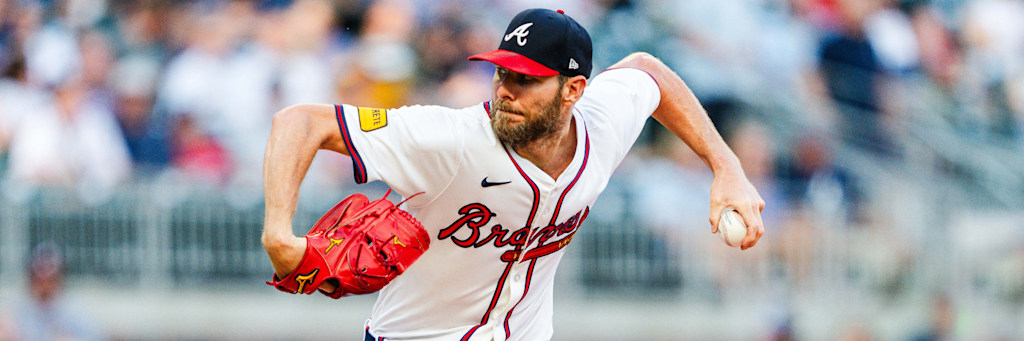
Sale has been the best version of himself in 2026, a 2.14 ERA across 84 innings with a 1.05 WHIP and a strikeout rate north of ten and a half per nine. The number that matters for this bet is narrower and louder. His first-inning ERA is 1.29, and he has punched out 20 hitters in the opening frame over 14 starts, more than a strikeout and a half per first inning. That is a pitcher who attacks immediately, not one who gives up a run while he finds the zone. His last time out, June 20 against Milwaukee, he worked 5.2 scoreless innings with seven strikeouts and never let the Brewers breathe in the first.
Tonight he draws a Giants lineup tilted toward left-handed and switch bats that has slumped to a sub .700 OPS against left-handed pitching, the exact profile his slider eats. San Francisco's offense scored five last night, but four of those came late and against the bullpen, not in the early innings against a starter of Sale's caliber. The path to a Giants first-inning run runs through a leadoff baserunner and a clean extra-base hit at the worst park in the league to find one, against the nastiest opening-frame arm on the slate. It is the half of this bet I worry about least.
How Clean Has Each First Inning Been
Season ERA frames the matchup, but the recent first-inning log is what tells you whether the opening frame has actually been quiet. The chart shows the two numbers that anchor this play, Sale's 20 first-inning strikeouts and Ray's run of consecutive scoreless first innings. Both bars point the same direction, which is the whole reason this game cleared the board when most NRFI numbers do not.
Robbie Ray: Five Clean Openers In A Row
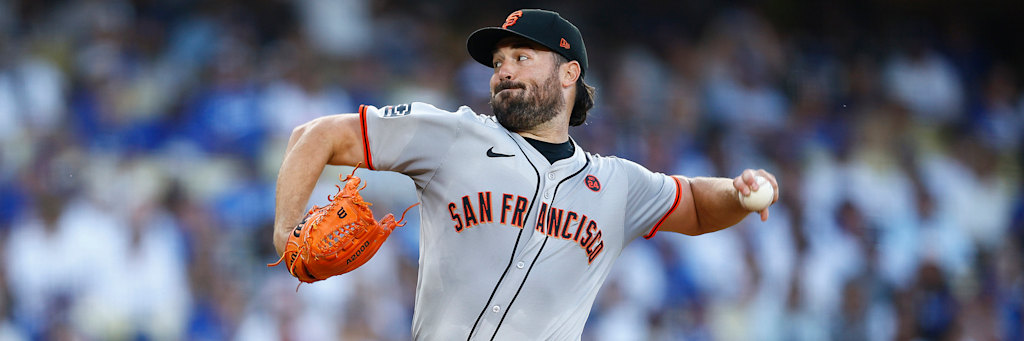
Ray is the side of this bet that demands honesty, and his first-inning form supplies it. A 3.70 season ERA is ordinary, and a 1.28 WHIP says traffic finds him. But the first inning has been a different pitcher entirely lately. He has not allowed a run in the opening frame across his last five starts, and the back end of that run has been dominant rather than lucky. On June 16 he held the Braves scoreless over 6.1 innings with eight strikeouts. On June 23 he spun eight shutout innings against the Athletics with six punchouts. Both started with a clean first, and a pitcher who is sharp from the jump tends to stay that way deep into the night.
The matchup helps him too. Atlanta's offense has gone cold, posting a sub .610 OPS over the second half of June, and it just got shut out by this same Giants staff. Ray already owns this lineup once this month. Asking him to navigate it for a single scoreless inning, at home, with the marine layer at his back, is a far smaller ask than asking him to carry a 3.70 ERA through six. NRFI only needs the front of his start, which has been the best part of it.
The Price And The Break-Even
This is where the discipline lives. The No Run First Inning is -150 on DraftKings, and -150 is not a free number. It demands a 60 percent hit rate just to break even, so the edge is not in finding a long shot, it is in deciding whether two elite first-inning arms in a pitcher's park clear that bar more than three times in five. The chart shows what the price asks for. NRFI as a market hits in the high fifties to low sixties across the league on a normal night, and this matchup sits well above an average pairing, which is the gap the bet is paying for.
The Honest Counterpoint
No first-inning bet is a lock, and anyone who sells it as one is lying to you. The way this loses is fast and it is specific. Ray carries a 3.70 season ERA and a WHIP of 1.28, which means baserunners are not rare for him, and it only takes one walk and one double in a single inning to flip this ticket. The Braves have power up and down the order even in a cold stretch, and Oracle Park does not shrink a line drive in the gap the way it shrinks a fly ball. On the other side, Sale's strikeout-heavy approach occasionally trades a strikeout for a loud out, and one mistake slider to the wrong San Francisco bat ends it just as fast.
That is why this is one unit and not more. At -150 the margin is thin, and a single-inning market gives you no time to recover from one bad sequence. The case is strong because both arms are demonstrably best at the start and both offenses are demonstrably quiet, but the price has already priced in most of that. We are paying up for a real edge, not stealing a number, and the stake reflects exactly that.
How To Bet It
- The play: Braves at Giants No Run First Inning at -150 on DraftKings, one unit. Two starters who own the opening frame in the league's toughest park to score early.
- Why Sale: a 1.29 first-inning ERA with 20 first-inning strikeouts over 14 starts, coming off 5.2 scoreless against Milwaukee on June 20.
- Why Ray: five straight starts without a first-inning run, including 6.1 scoreless against these same Braves on June 16 and eight shutout innings on June 23.
- The park: Oracle Park's marine layer and deep right-center make early home runs the rarest first-inning run in the National League.
- The risk: the -150 price needs 60 percent, and Ray's 3.70 ERA and 1.28 WHIP mean one walk-and-double inning is the way it loses. Keep it to a single unit.
Final Verdict
The cleanest reads in this market come when the inning a bet needs is the inning the pitchers are best in, and tonight that lines up on both sides. Chris Sale is nastiest before a hitter has settled in, a 1.29 first-inning ERA with 20 opening-frame strikeouts. Robbie Ray has not given up a first-inning run in five straight starts and already blanked this Braves lineup on June 16. Add a Braves offense that just got shut out, a Giants lineup that has slumped against lefties, and a ballpark built to suppress exactly the kind of swing that scores in the first, and the No Run First Inning is the play. It is priced like a favorite at -150 because it deserves to be, and at one unit the math and the matchup both hold. That is the bet.
FAQ
The play is the No Run First Inning, the opening frame staying scoreless on both sides, at -150 on DraftKings for one unit. It rests on Chris Sale's 1.29 first-inning ERA with 20 first-inning strikeouts over 14 starts and Robbie Ray's five straight starts without a first-inning run, plus a cold Braves offense and a pitcher-friendly Oracle Park.
Sale owns a 2.14 season ERA with a 1.29 first-inning ERA and 20 strikeouts in the opening frame over 14 starts, the mark of a pitcher who is sharp from the first pitch rather than a slow starter. His last outing, June 20 against Milwaukee, was 5.2 scoreless innings with seven strikeouts against a Giants-type contact profile he handles well.
The counterpoint is the price and Ray's season line. At -150 the bet needs 60 percent to break even, and Ray's 3.70 ERA with a 1.28 WHIP means one walk-and-double inning is the way it loses. NRFI is a thin, single-inning market with no room to recover from one bad sequence, which is why the stake stays at one unit.