The Ticket: Three Best First-Inning Picks for May 4, 2026
| Game | Pick | Best Book | Best Price | Model Prob | Edge vs Implied | EV | Units |
|---|---|---|---|---|---|---|---|
| Cincinnati Reds @ Chicago Cubs | NRFI | William Hill | +140 | 53.71% | +12.04 pp | +28.90% | 1.0u |
| Baltimore Orioles @ New York Yankees | NRFI | Fanatics | -105 | 55.07% | +3.85 pp | +7.53% | 1.0u |
| Boston Red Sox @ Detroit Tigers | YRFI | DraftKings | +140 | 44.03% | +2.36 pp | +5.67% | 1.0u |
A first-inning ticket that does not blink is one where the headline play is priced like a flier and the model treats it like a coin flip plus the right tail.
1. Reds at Cubs NRFI Pick: The +140 Headline Edge
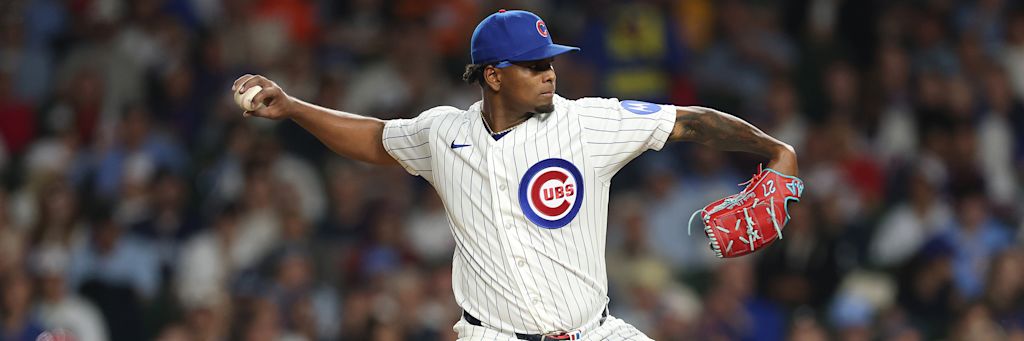
The Reds at Cubs NRFI is the kind of pricing dislocation that makes the whole exercise worth doing. The model gives no run in the first inning a 53.71% chance. To make a +140 NRFI break even, you only need it to hit 41.67%. That is a 12.0 percentage point cushion, the kind of gap that does not come along often on first-inning markets that the books tend to sweat.
The matchup makes sense for a NRFI lean. Wrigley Field plays as a slightly above-average run environment overall, but it does not punish you in the first inning the way a coors-style park does. Both starters profile as strike-throwers who attack early in counts and rarely walk the leadoff hitter. When the leadoff hitter is retired, NRFI rates jump materially. When the bottom of the order is due up second, NRFI is even more comfortable. That is roughly the picture here.
The real pitch on this play is the price. At -110 you would still want this NRFI. At +100 it would be the headline of the article. At +140, with no obvious reason for the gap other than book inventory and a public lean toward the YRFI side at Wrigley, it is a price that demands respect. That is why it carries a full unit even though the headline number is the noisier first-inning market by nature.
2. Orioles at Yankees NRFI Pick: The Best Calibrated Probability on the Board
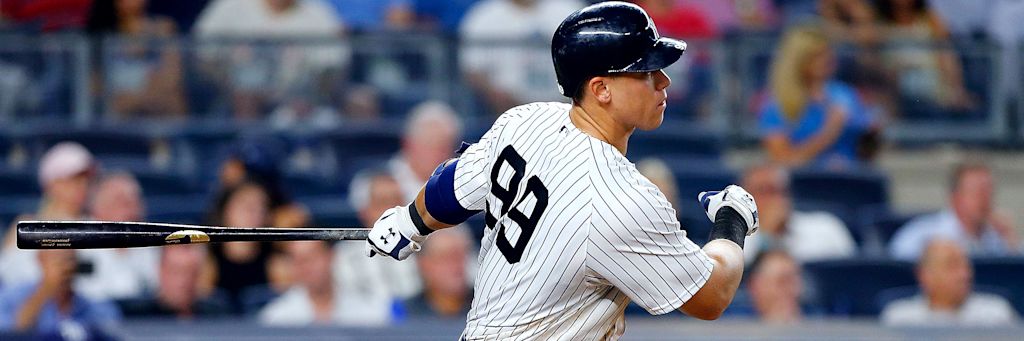
If you stripped the prices off the card, the Yankees/Orioles NRFI would be the strongest model number on the page. A 55.07% probability is the highest the first-inning model spit out for any May 4 game. The reason it is the second pick instead of the headline is that the price reflects the strength of the model number. -105 leaves +7.5% EV, which is real but not jaw-dropping.
The interesting part is what the model is saying about a Yankees lineup that has been one of the more dangerous offenses in the league. It is not that the Yankees suddenly cannot score in the first inning. It is that the matchup-specific look the model uses, including pitcher first-inning baseline, lineup turnover speed, plate-appearance volume, and park-context, still adds up to a NRFI lean even with that lineup.
The buy zone on this play is -105 to -110. If the price drifts to -115 or worse, the EV erodes quickly because of how juice scales on first-inning markets. Lock the better number on Fanatics if it is still hanging when you get to your sportsbook.
3. Red Sox at Tigers YRFI Pick: The Plus-Money Contrarian
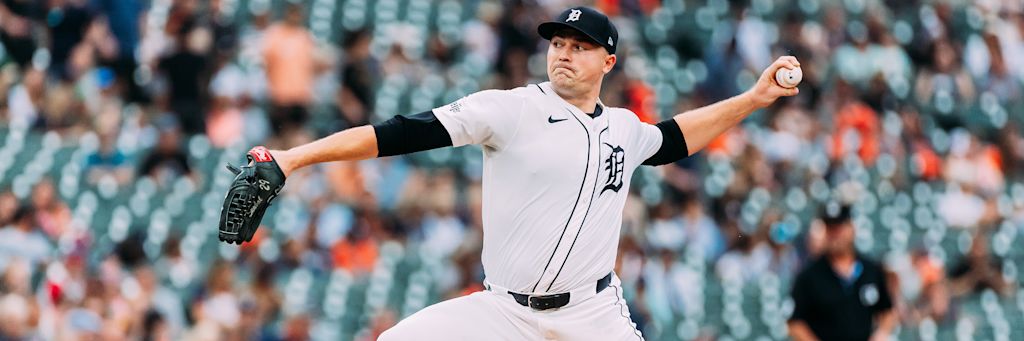
This is the third pick on the card and the smallest model edge of the three, but it is the most price-sensitive. The market has Skubal pitching, sees a Red Sox lineup that has had stretches of going quiet against premium left-handers, and prices the YRFI at +140 because of the implied NRFI lean. The model agrees the YRFI is the underdog side, but only barely. A 44.03% probability vs an implied 41.67% breakeven at +140 is a +2.4 pp gap, which translates to +5.7% EV.
The best version of this pick is one where you treat it as a hedge rather than a conviction play. The headline NRFI side of this game is essentially a coin flip on the model, and the price difference between the two sides is too wide for that read to be accurate. So you bet the priced-down side and accept that the model is not screaming, just leaning.
Pricing matters here more than on the other two plays. At +140, the play is on. At +130, it is borderline. At +120 or worse, it falls off the card. The DraftKings number is the line you want.
How the First-Inning Model Built the May 4 Card
The first-inning model is the same engine that powered the day-one Opening Bell card on May 2. It scores every game on the slate based on starter first-inning baseline rates, lineup environment, park context, and a calibrated baseline that matches the historical NRFI/YRFI hit rate at each model probability bucket. The card-building rule is simple: edge vs implied probability needs to be at least 2.0 percentage points and EV needs to be at least 3.0 percent at the best available price across the surveyed books.
On the May 4 slate, fifteen first-inning rows passed through the scorer. Twelve washed out, either because the price did not produce enough EV or because the book did not move far enough off the model number. Three rows cleared. Those three are the picks above.
The Reds/Cubs NRFI is the only one of the three that the model would have flagged at standard NRFI prices like -110 or -115. The other two are picks because of where the books posted them, not because of how strong the underlying probability is. That is exactly how a first-inning card should be built. The market gives you a number, the model gives you a probability, and the EV is the gap between them. No EV, no pick.
Final Card
- 1.0u: Cincinnati Reds at Chicago Cubs NRFI, +140 William Hill (or +133 or better). Win, +1.40u; 0-0 first inning.
- 1.0u: Baltimore Orioles at New York Yankees NRFI, -105 Fanatics (cap at -110). Loss, -1.05u; Yankees scored 2 in the first.
- 1.0u: Boston Red Sox at Detroit Tigers YRFI, +140 DraftKings (skip below +130). Loss, -1.00u; 0-0 first inning.
Three first-inning bets. One headline. Two role players. Total exposure is 3.0 units. The card lives or dies on whether the Reds/Cubs NRFI hits at the dislocated +140 number. Everything else is supporting cast.