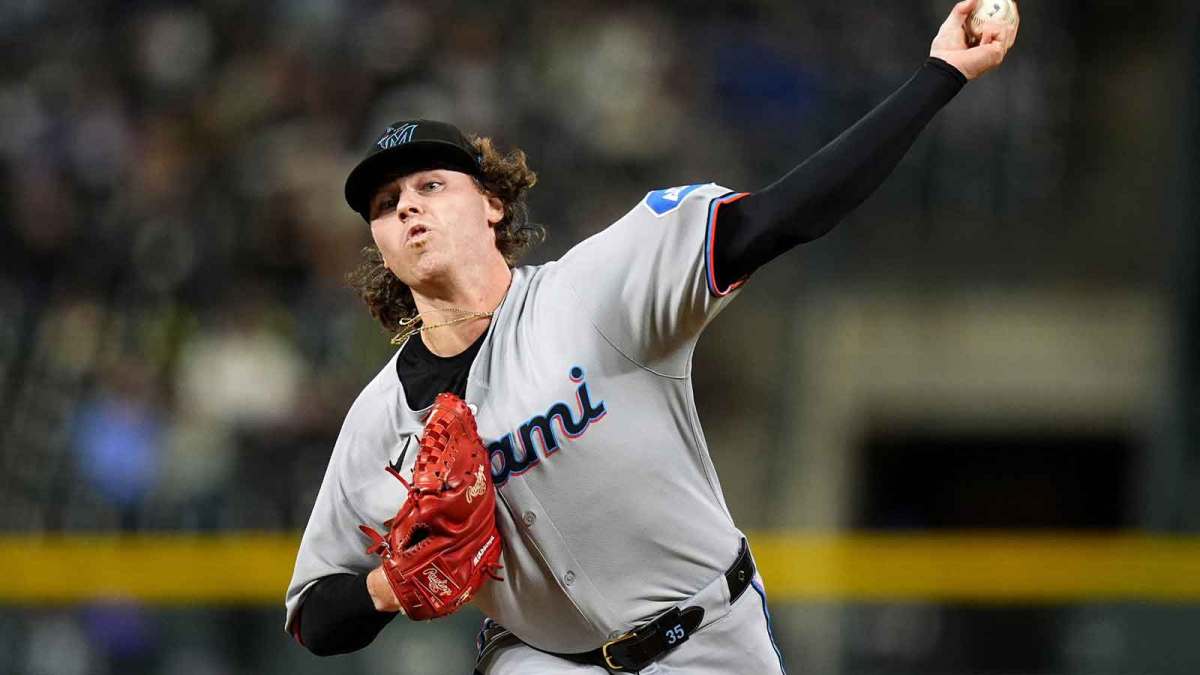
Three weeks back, on the thirtieth of May, Ryan Weathers buried ten strikeouts into a single start, the kind of swing and miss night that explains why his strikeout rate sits near the top of the Yankees rotation. He has since mixed a nine punchout outing with a couple of quiet ones, which is the honest shape of a strikeout arm rather than a metronome. On Thursday he steps onto the Yankee Stadium mound against a Chicago lineup that whiffs more than almost any team in the sport, and the board set his strikeout total at 5.5. The over is the tracked play, and the matchup is what carries it.
Here is the spine of the whole page. Weathers misses bats at a 9.81 strikeout per nine rate, he draws a White Sox club that strikes out 23.9 percent of the time, and his ceiling games show double digit upside. The number at 5.5 is roughly his per start average, so the over is asking him to clear a line he already lives at, against the friendliest possible opponent for it. This is a lean rather than a lock, and the matchup is the reason it gets a full unit instead of a half.
The Weathers Strikeout Profile Lives Right at This Number
Start with the season ledger. Across 13 starts and 74.1 innings, Weathers sits at a 4.36 ERA with a 1.17 WHIP, and he has struck out 81 hitters against just 21 walks. Run the math and that is a 9.81 strikeout rate per nine innings paired with a 3.86 strikeout to walk ratio, the blend of premium whiff and clean command that keeps a starter pumping strikes and getting deep enough to rack up punchouts. An arm at 9.81 K/9 handed a 5.5 line is being asked to hit a number he reaches in a normal six inning start.
The walk rate is the supporting piece. Weathers runs a 2.54 walk per nine figure, which means he attacks rather than nibbles, and that efficiency is why he keeps working into the sixth rather than burning his pitch count by the fifth. Volume is the quiet ingredient in any strikeout over, and his command buys it. Map his thirteen starts against the 5.5 line and the picture is a coin flip that tilts his way: he has cleared the number in seven of them, including totals of seven, seven, ten, eight, nine, seven, and ten across the season.
Ryan Weathers Strikeouts, Last Six Starts vs 5.5 Line
Six starts, three clear overs headed by a ten and a nine, and three unders headed by a quick two strikeout night in a short 4.1 inning outing against Toronto. The ceiling is genuinely high, and the misses came in shorter trips rather than full starts where the bats stopped chasing.
Look closely at that game log and you see why the unit comes from the matchup, not blind faith. Weathers has gone 5, 9, 7, 4, 10, and 2 strikeouts over his last six trips. The ten, the nine, and the seven are exactly the profile the over is buying, while the misses share a theme. The two strikeout night came in a 4.1 inning start that ended early, not a deep outing where he simply could not miss bats. Hand him a normal six inning workload against a chasing lineup and 5.5 is a number he beats more than half the time. Across the full season he has cleared it in 53.8 percent of his starts.
The White Sox Lineup Is the Best Strikeout Matchup on the Board
A strikeout over needs a willing dance partner, and Chicago is the most willing one on the slate. The White Sox are hitting .240 as a team with a .736 OPS, a roughly middling offense by results, but the strikeout column is where they hand this prop its edge. Chicago has fanned 655 times in 2,735 plate appearances, which works out to a 23.9 percent strikeout rate, among the highest marks in the majors. That is the kind of free swinging profile that lets a bat missing lefty climb toward his ceiling rather than grind for every punchout.
Pair the two facts and the path to six strikeouts gets short. A pitcher running a 9.81 K/9 against a lineup whiffing nearly 24 percent of the time projects, on a simple blend of his rate and their tendency, to land around six strikeouts in a typical six inning start. The line at 5.5 sits just under that projection, which is the small repeatable edge the screen is built to find. Weathers is the higher strikeout arm in this game by a wide margin, and Chicago is the higher strikeout offense, so both halves of the equation point the same way.
Why the Over: Rate Meets Matchup
Blending Weathers' strikeout rate with the elevated White Sox strikeout tendency over a typical six inning workload points to roughly six strikeouts, a half punchout north of the 5.5 line.
The Other Side of This Game: Sean Burke
Chicago counters with Sean Burke, and his strikeout number is a fair watch without rising to a play. Burke carries his own respectable strikeout rate, with 73 punchouts across 73.2 innings entering the start, but the Yankees lineup he faces is a sharper test than the one Weathers draws, and his recent control has wobbled with double digit walks over a recent stretch. When a pitcher is walking the ballpark, his pitch count climbs and his innings shrink, which caps strikeout volume even when the stuff misses bats. That is why the strikeout lean in this game sits squarely on the Yankees side.
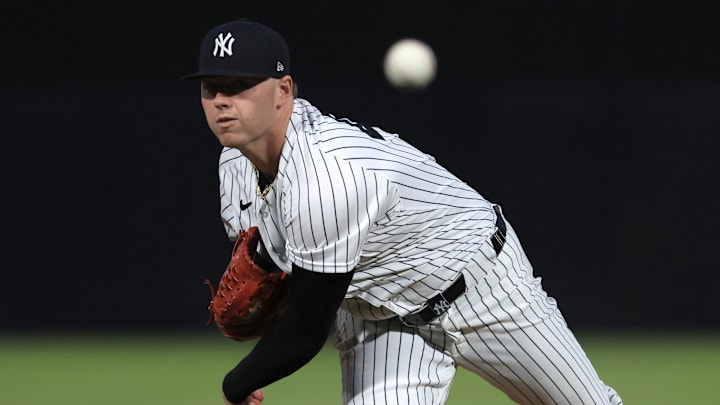
The contrast is the point of the page. Weathers at 5.5 strikeouts draws the strikeout prone opponent, while Burke at his own number draws the tougher lineup and brings the shakier command. When the matchup, the rate, and the recent ceiling all lean the same direction, that is the read to follow, and it is why the unit goes on the Yankees lefty rather than the Chicago righty.
| Pitcher | K Line | 2026 K/9 | WHIP | Recent Form | Read |
|---|---|---|---|---|---|
| Ryan Weathers | 5.5 | 9.81 | 1.17 | 10, 9 and 7 K among last six starts | Over 5.5, 1u (-122) |
| Sean Burke | 5.5 | solid but command-wobbly | higher of late | Tougher lineup, recent walks | No bet, watch only |
The First-Inning Read That Travels With This Game
One analysis only note before the risk box, sized as an observation rather than a play. On the first inning side, this game does not hand a clean edge either way. Weathers can run into trouble against the top of a lineup that, while strikeout prone, still slugs a .413 mark and carries real power in the middle. The no run side prices close to fair given both arms can post a quiet opening frame and both can give one up. The model graded every first inning number on the Thursday slate as a pass, and this game is no exception, so the NRFI versus YRFI market here is context rather than a wager.
The pitcher outs market is the other place Weathers shows up, with his recorded outs line living in the 17 to 18 range depending on the book. He has reached the sixth and seventh inning in his ceiling outings, which keeps an outs over alive, but his shorter starts pull the floor down enough that we are not staking it. For readers who like the volume angle, a lefty who works efficiently when his command is on is the profile that makes an outs over playable on the right night. Today we keep the strikeout play clean and leave the outs number as a watch.
The honest risk note. Strikeout props sit close to break even once the vig is in, and our multi thousand contract backtest showed the market prices most of the observable edge out of these lines. This over earns a full unit because the matchup does the heavy lifting, not because the number is mispriced by a mile. Weathers has cleared 5.5 strikeouts in 53.8 percent of his starts, so this is a lean rather than a lock, and the counterweight is honest. He has six starts at five or fewer strikeouts, and a quick hook in a short outing is always the risk with a starter who can be efficient to contact. Size it as one unit, respect the floor, and lean on the strikeout prone White Sox lineup as the reason it tilts over.
How This Pick Was Built
Every number on this page came from verified box scores and the live market, not from memory. Weathers' season line, his strikeout rate, his walk total, and his last six game logs were pulled from official data, and the White Sox team strikeout rate was checked against their full 2026 hitting splits. The strikeout prices reflect the live FanDuel and DraftKings board for the slate, with the over at minus 122 and the under at even money. The screen that surfaces these plays is the props v3 build, which blends a Statcast informed projection with the market implied number so the line itself stays an anchor instead of an afterthought.
Boiled down, the case is clean. Ryan Weathers misses bats at a near double digit rate per nine, he draws the most strikeout prone offense on the Thursday board, and his recent ceiling games show the volume the over needs. The matchup and the rate agree, the price is fair, and the floor is real, which is the disciplined version of backing a strikeout edge. One unit on the over, eyes open about the short outing risk, and full respect for the White Sox whiff rate as the engine of the play.
Frequently Asked Questions
Weathers is set at 5.5 strikeouts, with the over priced near minus 122 and the under near plus 100 on FanDuel and DraftKings. He carries a 9.81 strikeout rate per nine on the season and struck out ten hitters twice among his last several starts.
The matchup. Weathers draws a White Sox lineup striking out 23.9 percent of the time, the higher end of the league, and he runs a 9.81 K/9 with a 3.86 strikeout to walk ratio. A high whiff arm against a free swinging offense is the lift that earns the larger stake on a number he beats in a normal six inning start.
Yes, and passed on it. Burke owns a fair strikeout rate but draws the tougher Yankees lineup and has battled recent control, with double digit walks over a recent stretch that shrinks his innings and caps his strikeout ceiling. The matchup tailwind in this game belongs to Weathers.
His recorded outs line sits in the 17 to 18 range, and he has reached the sixth and seventh inning in his ceiling outings. We are not formally staking the outs over because his shorter starts drag the floor, but it is a reasonable watch for readers who like the volume angle on his efficient nights.