Saturday is the kind of slate that makes you stare at the strikeout board for an extra minute. Four pitchers who would headline almost any day are stacked together: a rookie running a sub-2.00 ERA, a former multiple-time strikeout king back from the shelf, the most electric arm of the last decade looking like his old self, and a Dodgers ace drawing a lineup that whiffs more than anybody. The temptation is to treat all four like the same kind of bet. They are not. One is a volume question, one is a leash question, one is a clean matchup, and one is a ballpark trap. Sorting which is which is the whole job.
Here is the discipline that matters on a day like this. A great pitcher is not automatically a great strikeout-over. The number moves with three things: how many pitches he is likely to throw, how often the lineup across from him strikes out, and where the book set the total relative to his recent volume. When all three line up, you have a real over. When the workload is capped or the lineup makes contact, even an ace gets quiet. Below is the full read on each arm, with the verified line, the season profile, and the matchup note that decides the lean.
The June 13 Ace Board At A Glance
| Pitcher | Game | 2026 ERA | 2026 K | WHIP | Strikeout Line | Price |
|---|---|---|---|---|---|---|
| Cam Schlittler | NYY @ TOR | 1.87 | 89 | 0.87 | Over 5.5 K | +104 |
| Tarik Skubal | DET @ CLE | 2.70 | 45 | 0.95 | Under 5.5 K | -128 |
| Jacob deGrom | TEX @ BOS | 3.18 | 84 | 0.99 | 6.5 K total | Over +130 |
| Yoshinobu Yamamoto | LAD @ CWS | 2.68 | 73 | 0.92 | Analysis only | No printed line |
The table makes the split obvious. Three of these arms carry a WHIP under 1.00, which is elite traffic control, yet their strikeout lines run from 5.5 all the way down to a return-start under. The reason is workload, not talent, and the next four sections walk through exactly how that plays out.
Strikeout Volume Versus The Line, All Four Aces
The single most useful snapshot of a strikeout board is how each pitcher's recent volume stacks against his posted number. The chart below plots a simple per-start strikeout pace for each arm against the line the book set. Where the bar clears the marker, the over has room; where the bar sits below, like Skubal on his capped return, the under is the side the market is pricing.
1. Cam Schlittler, Over 5.5 Strikeouts (NYY at TOR), +104
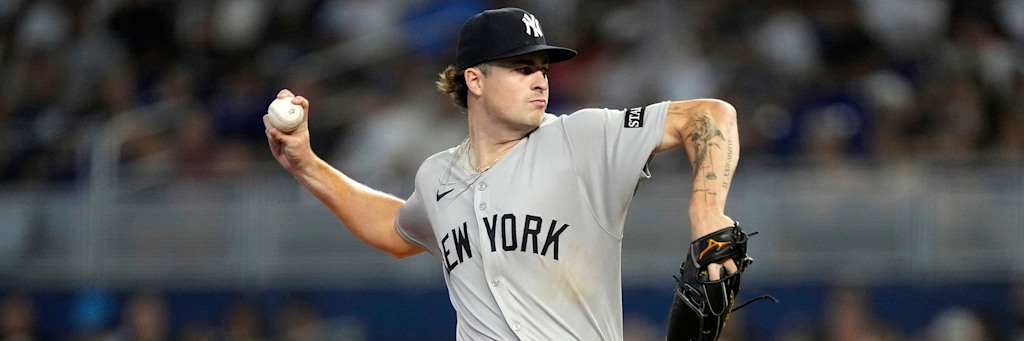
Schlittler is the story of the Yankees rotation. The rookie is 7-3 with a 1.87 ERA, 89 strikeouts over 82 innings, and a 0.87 WHIP that ranks with the best in the league. That is not a fluke half-season, it is 14 starts of front-line work. His strikeout total of 5.5 sits right at the edge of his pace, which is about 6.4 punchouts per start, and the over is priced at plus money at +104. When a book gives you plus money on a number a pitcher clears on average, you are getting paid to bet the median outcome.
The catch is the matchup, and it is a real one. Toronto owns a 19.5 percent team strikeout rate, the lowest of any opponent on this entire ace board. A contact-oriented lineup is the single best defense against a strikeout over, because it puts balls in play instead of swinging through the zone. That is why this over, despite the price and the profile, is closer to a coin flip than the ERA suggests. Schlittler clears 5.5 if he works deep and misses bats the way he has all year; the under lives if Toronto grinds at-bats and chases him with a pile of weak contact. The plus money is fair, not a gift.
2. Tarik Skubal, Under 5.5 Strikeouts (DET at CLE), -128
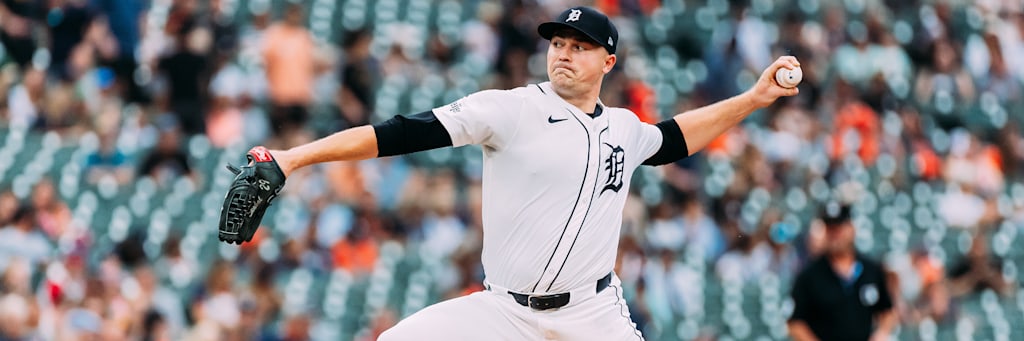
This is the most interesting number on the board, and it has almost nothing to do with how good Skubal is. He is an ace, a 2.70 ERA over seven starts with a 0.95 WHIP, and at full health his strikeout pace would make an over the obvious lean. But Skubal is making a return start, and the books expect a capped pitch count. His most recent outing was a short build-up start in the 50-pitch range, and the realistic ceiling Saturday is somewhere in the four-to-five inning, low-70s pitch zone. That is why the under 5.5 is the favored side at -128.
The math is simple and it is the whole point of the under. A strikeout takes at least three pitches, often more, and a pitcher working a 70-pitch cap simply does not face enough hitters to pile up six punchouts unless almost every out is a strikeout. The lineup matters too, but the workload ceiling does the heavy lifting here. Cleveland sits at a 20.7 percent team strikeout rate, middle of the pack, so there is no whiff-prone lineup inflating the count to bail out the over. The book is pricing a leash, not a slump, and that is exactly the kind of spot where a star pitcher's strikeout total goes under for reasons that have nothing to do with his stuff.
3. Jacob deGrom, 6.5 Strikeout Total (TEX at BOS), Over +130
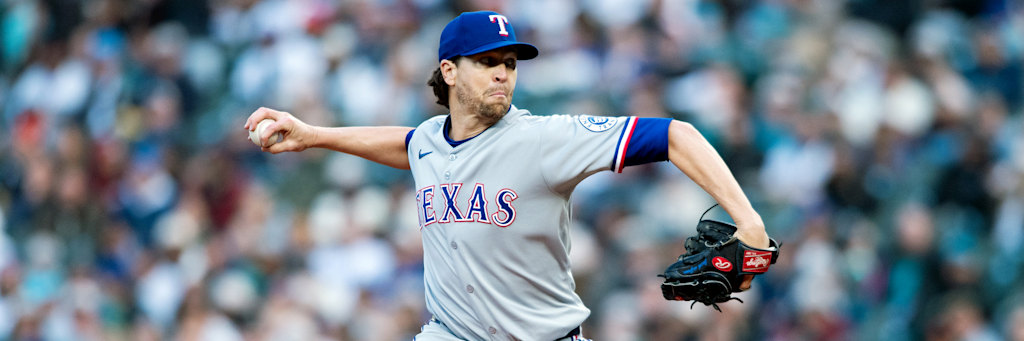
deGrom is healthy and pitching like it, which is the best news a strikeout-board reader can get. He is 5-4 with a 3.18 ERA, 84 strikeouts over 70 and two-thirds innings, and a 0.99 WHIP that says he is still missing bats and limiting traffic at the same time. His strikeout total is set at 6.5, the highest number on this board, and that is the book respecting his stuff. The over is priced at plus money at +130, which tells you the market sees the 6.5 as a slight reach rather than a lock.
The matchup gives the over a fair shot. Boston carries a 21.9 percent team strikeout rate, a touch above league average, which is friendlier to a strikeout over than Toronto's contact profile across town. deGrom's per-start pace sits right around 6.5, so the 6.5 line is essentially the median of his season, and the plus price is the value. The honest read is that this is a true toss-up at a fair number: deGrom clears it when he goes six-plus and the swing-and-miss is working, and the under cashes on a tidy, efficient outing where he pitches to contact and lets the Boston lineup put the ball in play early. At +130 the over is the side with the better price, but it is not a number to overbet.
4. Yoshinobu Yamamoto (LAD at CWS), Matchup Read Only
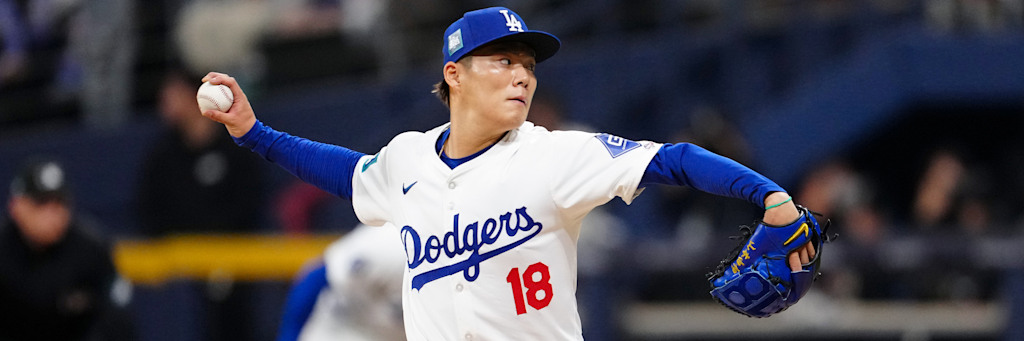
Yamamoto draws the most interesting matchup of the four, and the most frustrating to handicap, because his June 13 strikeout number did not confirm cleanly in time for this page. The rule here is firm: no fabricated lines. So this is a matchup read only, built entirely on his verified season profile. Yamamoto is 6-4 with a 2.68 ERA, 73 strikeouts over 77 and a third innings, and a 0.92 WHIP, a top-tier run-prevention line.
What makes the spot loud is the lineup. The Chicago White Sox own a 23.8 percent team strikeout rate, the highest of any opponent on this board by a wide margin, which is the dream environment for a strikeout over. A whiff-prone lineup hands a swing-and-miss arm extra punchouts almost for free. The counterweight, and the reason this is not a slam-dunk read, is the venue: the South Side park has played as one of the tougher strikeout environments in the league this season, which clips a little off the matchup edge. If a real strikeout line surfaces in the low-to-mid 6 range with plus money on the over, the lineup tilts that toward a live number; without a verified line, it stays analysis. The takeaway is simple: this is the best strikeout matchup on the slate, and it is the one we could not price honestly, so we leave the number blank rather than invent it.
First-Inning Read: YRFI And NRFI Analysis
The same four aces that anchor the strikeout board also shape the first-inning markets, so it is worth a clean look at the YRFI and NRFI angle, analysis only. The first inning is its own little game: it is the one frame where the top of the order is guaranteed to hit, and where a pitcher's command in his first 15 pitches matters more than his whole-game line. The starting point is always the pitcher's traffic control, and on this slate the traffic control is elite.
Look at the WHIP column. Schlittler at 0.87, Yamamoto at 0.92, Skubal at 0.95, deGrom at 0.99: four pitchers who all keep runners off base at a rate the average starter cannot touch. WHIP is the cleanest single proxy for first-inning run prevention, because a pitcher who allows fewer baserunners per inning is, by definition, less likely to give up a first-inning run. On profile alone, every one of these arms leans toward a no-run first, which is the foundation of an NRFI read. That is what makes these games worth a first-inning look in the first place.
The chart below stacks the four aces by WHIP, lowest to highest, to show how tightly bunched the run-prevention profiles are. The lower the bar, the cleaner the first-inning lean on the pitcher's own merits.
Here is the discipline that keeps a first-inning read honest, and it is the same discipline that applies to the strikeout props. The pitcher profile is only half the equation. A real NRFI bet also needs the opposing starter to be clean, the top of the order to be quiet, and the price to be fair. When both starters are aces, as in the Rangers and Red Sox game with deGrom against a sub-3.20 arm in Ranger Suarez, the no-run first becomes a genuine lean, because both lineups are facing premium command. When one side has a soft starter or a hot top of the order, the YRFI side of the inning comes alive instead, and the pitcher's WHIP alone does not save it.
The trap to avoid is the price. Strong NRFI spots get bid up fast, and a no-run first on two aces can be priced so short that the implied probability outruns the real edge. That is the exact pattern that turns a good profile into a bad bet. The takeaway for June 13: every one of these games has the run-prevention bones of an NRFI lean, deGrom against Suarez is the cleanest double-ace first inning on the board, but none of it is worth a wager until the number is fair. Profile first, price last, and never confuse a great pitcher with a great number.
Putting The Board Together
Four aces, four different stories, and not a single one of them is a copy of the others. Schlittler's over is a fair plus-money number dragged back to a coin flip by Toronto's contact bat. Skubal's under is a workload bet wearing an ace's name, priced for a leash rather than a slump. deGrom's 6.5 is a true toss-up at the highest number on the slate, with the plus price as the only real edge. And Yamamoto draws the loudest matchup of all against the league's most strikeout-prone lineup, the one number we would not print because it never confirmed. The throughline is the same one that runs through every prop on this site: the name on the jersey sets the floor, but the workload, the lineup, and the price decide the bet.
If you take one habit from this breakdown, make it this. Before you touch any ace strikeout over, ask how many pitches he is likely to throw and how often the lineup across from him swings and misses. Those two questions explain almost every surprising number on a board like Saturday's, from Skubal's under to Yamamoto's blank line. Respect the workload, respect the matchup, and let the price be the tiebreaker. That is how you read a strikeout board instead of just betting the best pitcher and hoping.
Frequently Asked Questions
What are the ace strikeout prop lines for June 13, 2026?
On FanDuel for Saturday June 13, Cam Schlittler is priced over 5.5 strikeouts at +104, Tarik Skubal sits under 5.5 strikeouts at -128 on his pitch-count return, and Jacob deGrom carries a 6.5 strikeout total with the over at +130. Yoshinobu Yamamoto starts for the Dodgers at the White Sox, and his June 13 strikeout number did not confirm in time, so he is covered as analysis only with no printed line.
Why is Tarik Skubal's strikeout line so low at under 5.5?
Skubal is making a return start, and the books expect a capped pitch count, with four or five innings a realistic ceiling. His most recent outing was a short build-up start in the 50-pitch range, so the under 5.5 at -128 reflects limited volume, not a decline in stuff. A strikeout takes three or more pitches, and a pitcher working a 70-pitch cap rarely faces enough hitters to reach six punchouts.
Which ace has the best strikeout matchup on June 13?
Yoshinobu Yamamoto, on profile. The Chicago White Sox carry a 23.8 percent team strikeout rate, the highest of any opponent on the board, and Yamamoto pairs a 2.68 ERA with a 0.92 WHIP. The catch is the venue, which has played as a tougher strikeout park this season, and the fact that a confirmed June 13 line was not available to price the spot honestly.
Is there a first-inning NRFI or YRFI angle on June 13?
The profiles support an NRFI lean. All four aces carry a WHIP under 1.00, led by Schlittler at 0.87, which is the cleanest single proxy for first-inning run prevention. deGrom against Ranger Suarez is the sharpest double-ace first inning on the slate. That said, a first-inning bet also needs a clean opposing starter, a quiet top of the order, and a fair price, so none of it is worth a wager until the number lines up with the edge.