A ten-game Monday is the kind of slate that quietly separates a disciplined prop approach from a reckless one. The model did not hand us a crowded card. It handed us four pitcher strikeout numbers that beat their break-even and a full slate of first-inning markets that did not. We are honest about what that means. Pitcher props are a thin edge, and the 8,300-contract backtest behind this model showed exactly that. You do not get rich on strikeout props. You grind a small, repeatable advantage by only touching the numbers where the projection clears the price, and by staying off everything else. Today that means a three-unit card across four legs, weighted toward the two cleanest separations.
Before any of these went on the card, every season line was checked against the live 2026 stat record, every probable was confirmed on the June 15 grid, and every opposing lineup's strikeout tendency was pulled to see whether the matchup helped or hurt the lean. What follows is the full reasoning, pitcher by pitcher, with the projection logic, the price, the break-even, and the recent-form note that pushed each number onto the card or kept it off.
The Card At A Glance
| Pitcher | Team | Prop | Odds | Units | Season K/Start | Line |
|---|---|---|---|---|---|---|
| MacKenzie Gore | TEX vs MIN | Under 5.5 K | +124 | 1.0 | 5.43 | 5.5 |
| Walbert Urena | LAA at ARI | Over 4.5 K | +118 | 1.0 | 4.58 | 4.5 |
| J.T. Ginn | OAK vs PIT | Over 4.5 K | -140 | 0.5 | 4.33 | 4.5 |
| Dustin May | STL vs SD | Over 5.5 K | +126 | 0.5 | 5.08 | 5.5 |
Season Strikeouts Per Start Versus The Line
One of the most useful snapshots of a strikeout prop is the gap between a pitcher's per start average and the number the book posted. The chart below plots each pitcher's 2026 strikeouts per start against the line. For the over leans, a bar above or near the line with rising form is the case. For the Gore under, a bar sitting at or below the line is the case, and a high strikeout rate masks how often his per start total lands short.
1. MacKenzie Gore Under 5.5 Strikeouts (TEX vs MIN), +124, 1 Unit
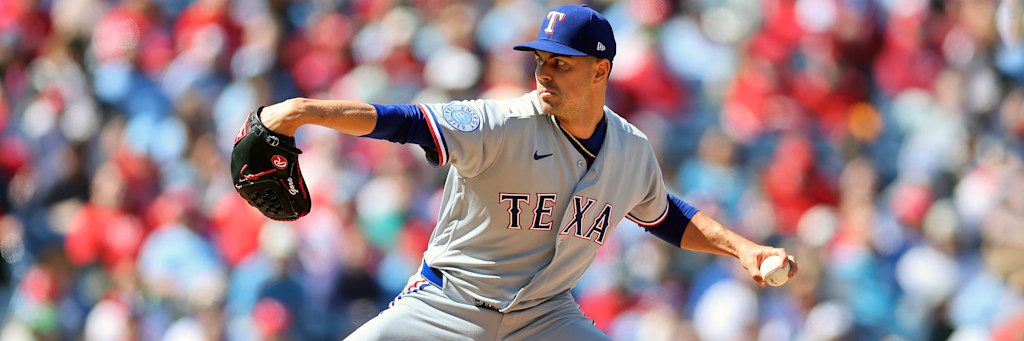
This is the headliner, and it is the kind of lean that looks wrong for one second and right for the next ten. MacKenzie Gore strikes out hitters at a 9.63 per nine inning clip with the Rangers, and a reflexive bettor sees that number and assumes the over is free money. The per start record says otherwise. Across 14 starts Gore averages exactly 5.43 strikeouts, and he has finished with 5 or fewer in 8 of those 14 turns. The reason is workload volatility. His season log includes a 1.0 inning outing, a 3.2 inning outing, and a 4.2 inning outing, and a strikeout pitcher who keeps getting pulled early cannot reach a high punchout total no matter how filthy the stuff is. At plus 124 the under needs only a 44.6 percent hit rate to break even, and the per start distribution clears that comfortably.
His recent form is right in the pocket. The last eight starts produced 3, 3, 5, 2, 7, 3, 5 and 6 strikeouts. That is five outings of 5 or fewer in his last eight, and the two overs came in his deeper, cleaner starts. The matchup nudges it further. Minnesota carries a 22.4 percent team strikeout rate, a touch above average but not the free-swinging profile that lets a pitcher pile up punchouts in five innings. If Gore goes deep and dominant, the under loses, and that is the honest risk on a high-velocity arm. But the price pays you to bet against the short-start ceiling, and that is a real and repeatable pattern in his 2026 line. Take the plus money down to +110 before the edge thins.
2. Walbert Urena Over 4.5 Strikeouts (LAA at ARI), +118, 1 Unit
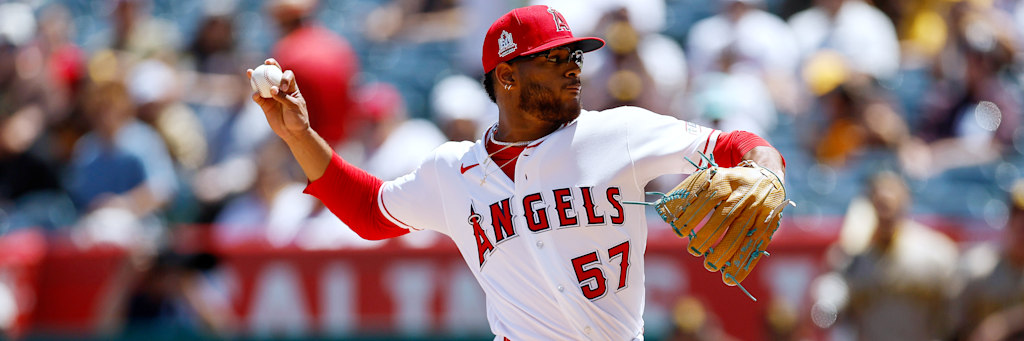
This is the value play of the card, plus money on an over with a pitcher whose recent form is climbing. Walbert Urena has been quietly excellent for the Angels, a 2.44 ERA across 10 starts, and the strikeout volume has trended up as the season has gone on. His season average sits at 4.58 strikeouts per start, already a hair above the 4.5 line, and the recent log is the louder signal. His last five starts produced 4, 6, 5, 7 and 7 strikeouts. That is four straight clears of 4.5 and two consecutive seven-strikeout outings, which is a pitcher finding another gear, not regressing toward a low number.
At plus 118 the over breaks even at 45.9 percent, and a pitcher who has cleared 4.5 in four of his last five starts grades well past that. The matchup is neutral to favorable. Arizona carries a 20.3 percent team strikeout rate, on the lower side, which is the one knock and the reason this is a single unit rather than something larger. But Urena has beaten this line repeatedly against tougher contact profiles, including a seven-strikeout outing against Houston in his last turn. Plus money on an over from a pitcher trending up is exactly the kind of number the model is built to find. Play it to even money.
3. J.T. Ginn Over 4.5 Strikeouts (OAK vs PIT), -140, 0.5 Units
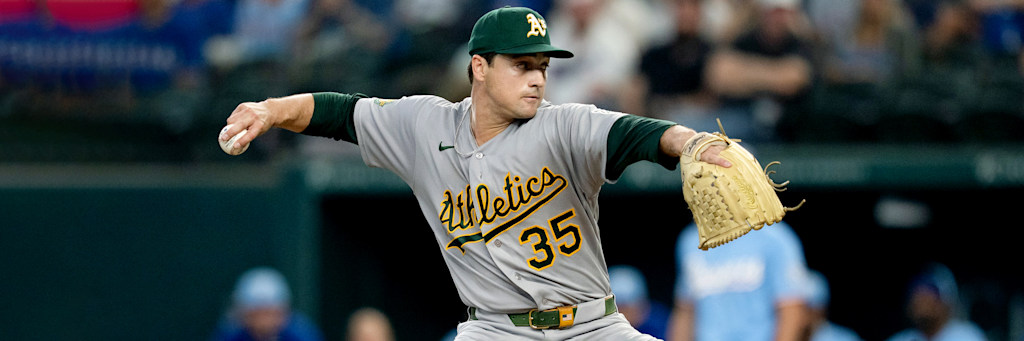
J.T. Ginn does not light up a radar gun, but he has been a steady, efficient strike-thrower for the Athletics, a 3.15 ERA over his starting work. His season average of 4.33 strikeouts per start sits just under the line, which is why this is a half unit rather than a full one, but the matchup is what tips it to the over. Pittsburgh carries a 23.7 percent team strikeout rate, one of the higher whiff rates on the slate, and a contact-shy lineup against a pitcher who pounds the zone is the recipe for the over.
His recent form supports it more than the season average suggests. Ginn has gone 10, 4, 4, 8 and 5 strikeouts in his last five starts, clearing 4.5 in three of them, including double-digit and eight-strikeout outings that show the ceiling is real when the matchup cooperates. At minus 140 the over demands 58.3 percent, a steeper price than we love, which is exactly why this is sized down to a half unit. The volume risk is a short start or a quick hook, but against a high-strikeout Pittsburgh lineup, the over is the side with the recent form and the matchup. Do not chase it past minus 150.
4. Dustin May Over 5.5 Strikeouts (STL vs SD), +126, 0.5 Units
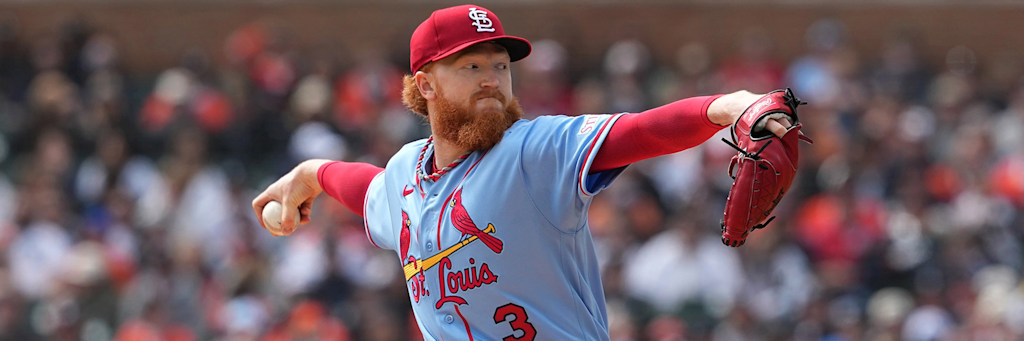
Dustin May's season average of 5.08 strikeouts per start sits just under the 5.5 line, which is the conservative read, but the trend is the reason this earns a half unit at plus money. May's last five starts produced 3, 7, 9, 9 and 6 strikeouts. That is four straight clears of 5.5 after a slow start, including back-to-back nine-strikeout outings, and a pitcher whose recent four-start punchout pace is well north of the line is a different animal than his season average implies.
At plus 126 the over breaks even at 44.2 percent, and the recent surge grades it comfortably above that. The matchup helps too. San Diego carries a 23.0 percent team strikeout rate, on the higher end of the slate, and a strikeout-prone lineup is where a heating-up arm cashes overs. The reason this is a half unit and not more is the season-long inconsistency. May had a stretch earlier in the year where 5.5 looked steep, and one bad day at home erases the edge. But the live form, the matchup, and the plus price all point the same way. Take the over to even money and pass below it.
The Price And Break-Even Table
Three of the four legs on this card are plus money, which is by design. The model does not chase heavy strikeout favorites, because the juice on a popular over erases the edge before the bet even settles. It hunts numbers where the per start record and the recent form beat the break-even. The table below shows each price, the break-even win rate it demands, and where the pitcher's recent form stands relative to the line.
| Pick | Odds | Implied Break-Even | Recent Form vs Line |
|---|---|---|---|
| Gore Under 5.5 K | +124 | 44.6% | Under in 5 of last 8 starts |
| Urena Over 4.5 K | +118 | 45.9% | Over in 4 of last 5 starts |
| Ginn Over 4.5 K | -140 | 58.3% | Over in 3 of last 5 starts |
| May Over 5.5 K | +126 | 44.2% | Over in 4 of last 5 starts |
The First-Inning Markets: A Full Pass And Why
Here is the part most pick services skip. The model ran the first-inning NRFI and YRFI markets on the June 15 slate and graded them as negative expected value across the board. Not one cleared. That means zero first-inning plays today, and we want you to know exactly why, because the passes are as much a part of the product as the bets.
It played out the same way on every game. The no-run-first-inning numbers on the popular favorites were shaded toward heavy minus prices that demanded a no-run probability in the mid-seventies just to break even, while the model's first-inning scoreless estimates sat well below those thresholds. On the other side, the yes-run prices on the higher-total games did not pay enough to cover the model's run probability either. When the book is asking you to lay more certainty than the projection supports on both sides of the same market, there is no play, only a pass.
This is the brand. We will publish a passing slate when the numbers say pass, and we will tell you the math behind it. Four tracked strikeout props with real, recent-form support beat a fistful of first-inning coin flips priced against you every time.
How To Bet The Card
- Anchor: MacKenzie Gore under 5.5 strikeouts at plus 124 is the lean we trust most, a high-velocity arm whose per start total lands at 5 or fewer in 8 of 14 starts, paid plus money.
- Best trending over: Walbert Urena over 4.5 strikeouts at plus 118, four clears of the line in his last five and two straight seven-strikeout outings.
- Stake the gaps: Gore and Urena carry a full unit each on the cleanest separations. Ginn and May are half units because the price or the variance leaves more room for a miss.
- Shop the lines: take Gore and Urena to even money, Ginn no worse than minus 150, May to even money before the edges thin.
- First-inning: no plays. Do not manufacture a NRFI or YRFI bet today; every number we ran graded negative.
Final Verdict
June 15 is a four-leg strikeout card built on the same idea every time: find the gap between the per start record and the line, then make sure the price leaves room. Gore stays under his number because his short starts cap a high strikeout rate. Urena, Ginn and May clear their overs on rising recent form against strikeout-prone or neutral lineups. Three of the four are plus money, the total exposure is three units, and the first-inning board gets a clean and deliberate pass. Pitcher props are a thin edge and we will never pretend otherwise. The way you win with them is small stakes, honest prices, and the patience to pass the rest. That is the card.
FAQ
The tracked card is MacKenzie Gore under 5.5 strikeouts at plus 124, Walbert Urena over 4.5 strikeouts at plus 118, J.T. Ginn over 4.5 strikeouts at minus 140, and Dustin May over 5.5 strikeouts at plus 126, all from the FanDuel board. Gore under and Urena over are the two leans we trust most.
Gore carries a high 9.63 strikeouts per nine innings, but his per start total averages only 5.43 because several 2026 outings were short, including a 1.0 inning and a 3.2 inning start. He has finished with 5 or fewer strikeouts in 8 of his 14 starts, so the under 5.5 has real support at plus money against a Minnesota lineup that does not chase.
Urena is trending up, with strikeout totals of 4, 6, 5, 7 and 7 in his last five starts, four straight clears of the 4.5 line. At plus 118 the over breaks even at 45.9 percent, and his recent form grades it well past that even with Arizona's lower team strikeout rate.
The model graded every first-inning market on the June 15 slate as negative expected value. The no-run prices on the favorites demanded more certainty than the projections supported, and the yes-run prices on the higher-total games did not pay enough, so every first-inning number was a pass.